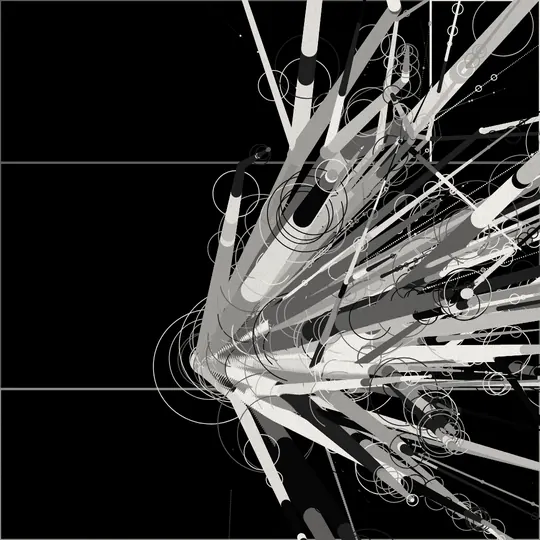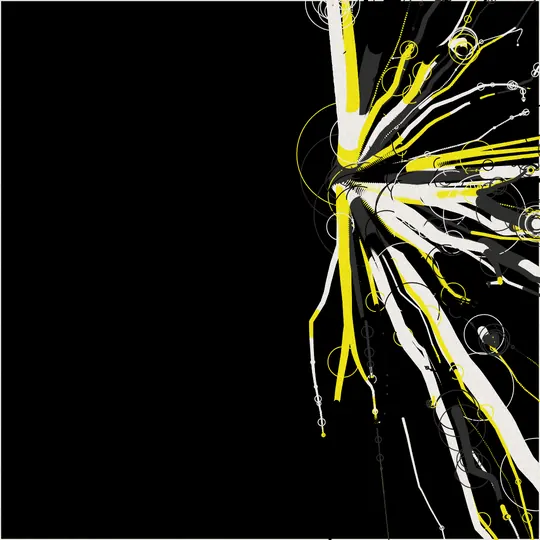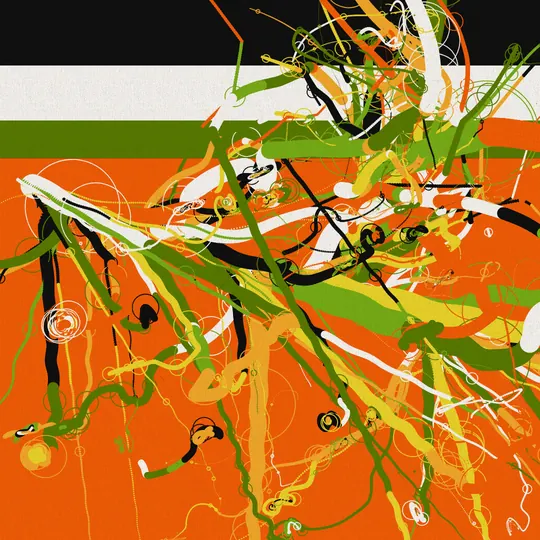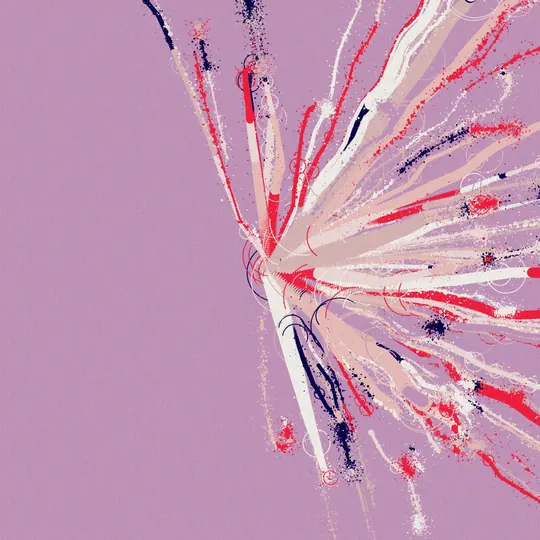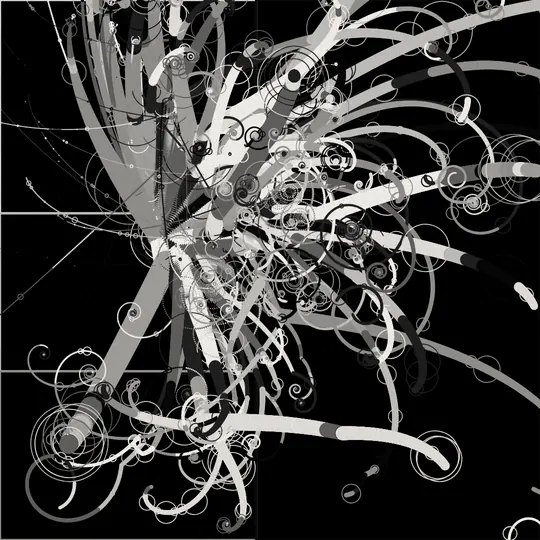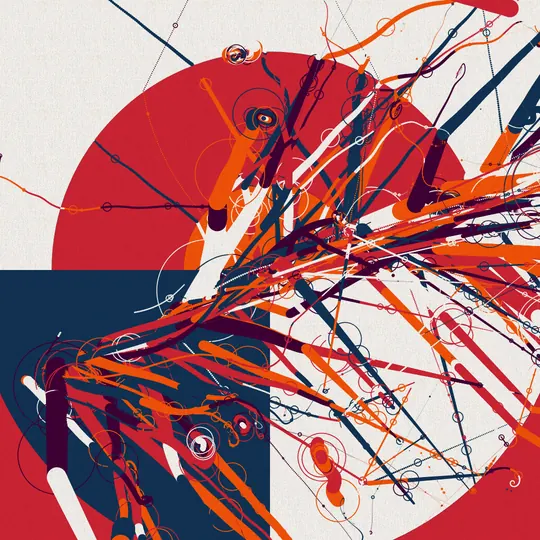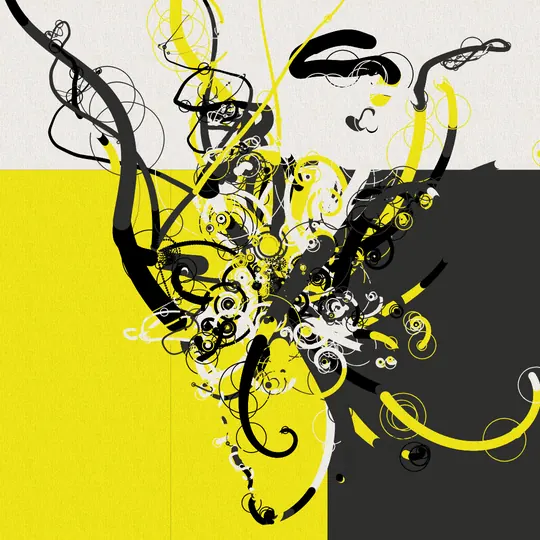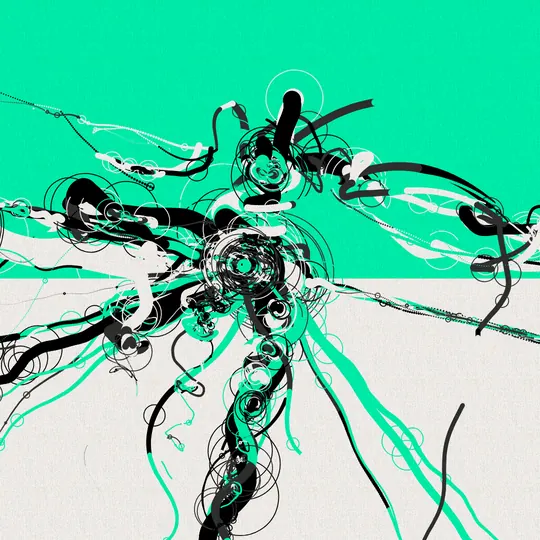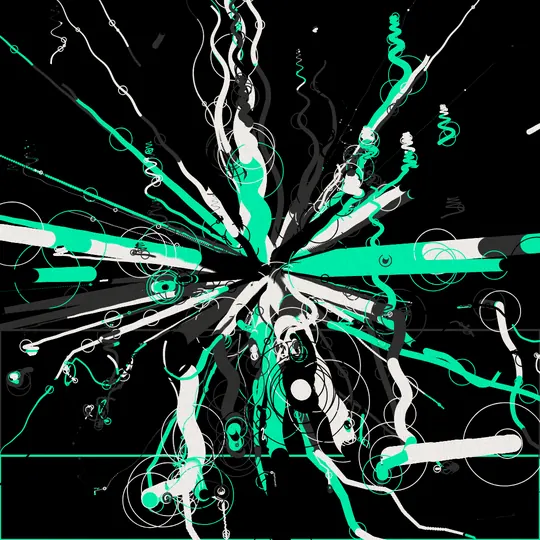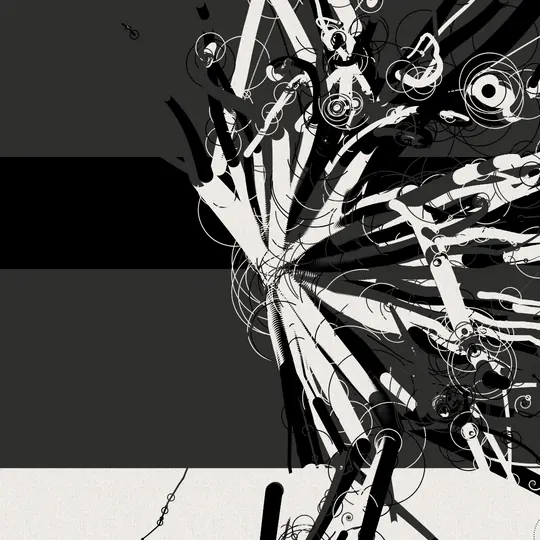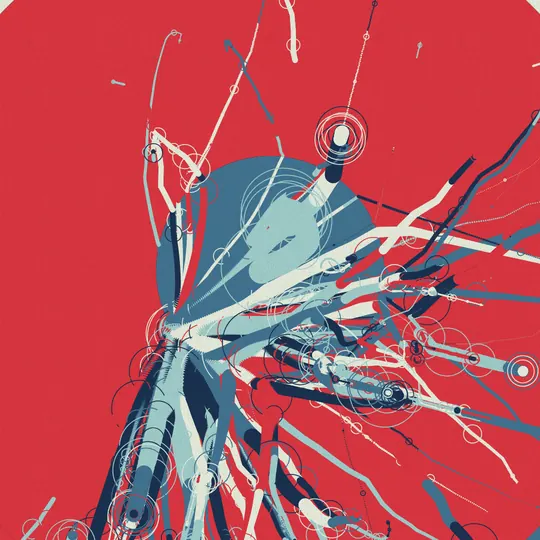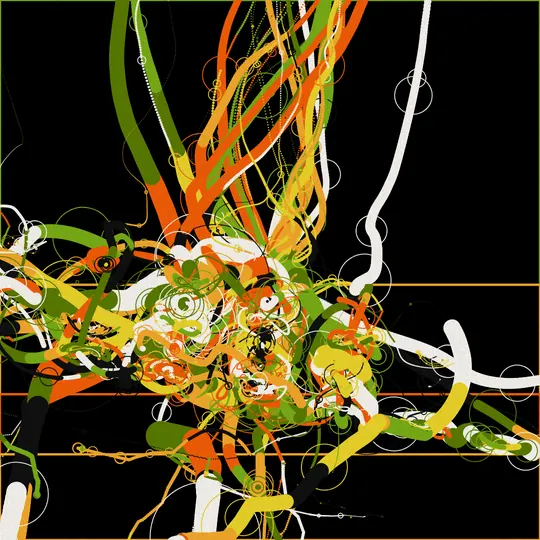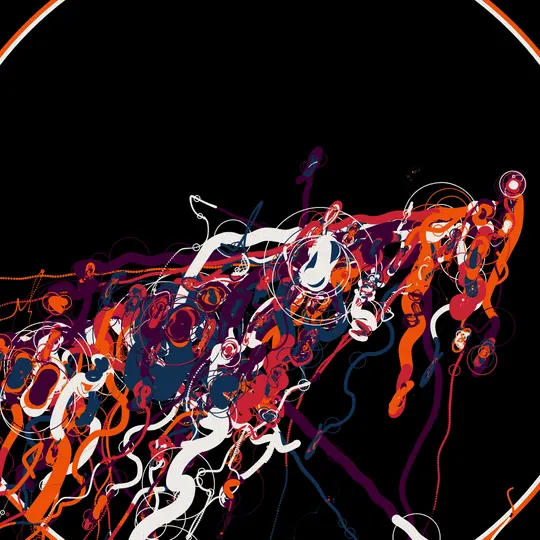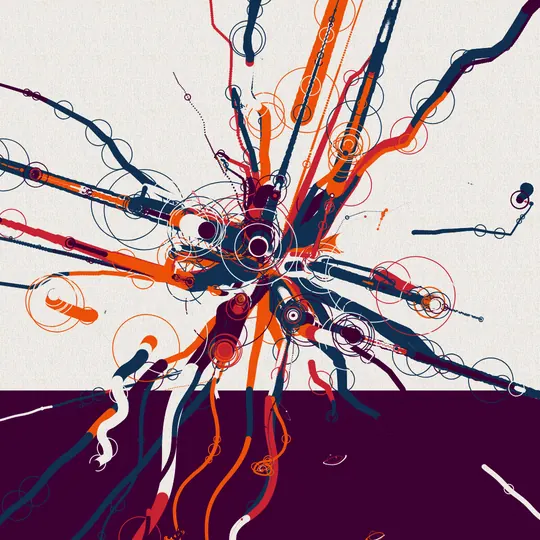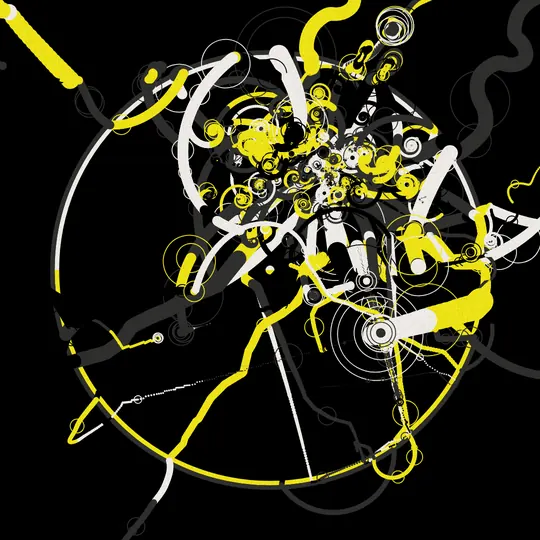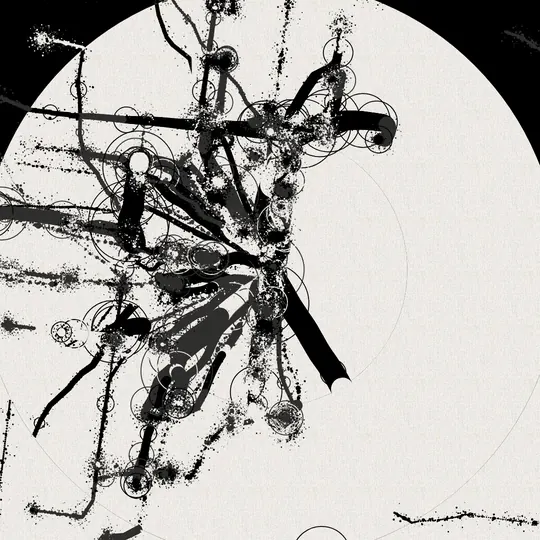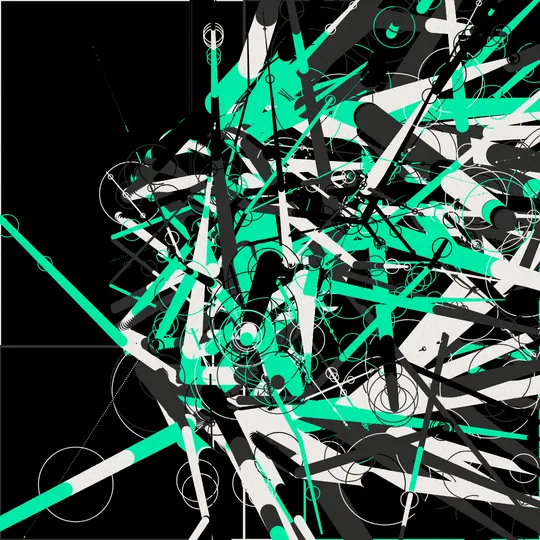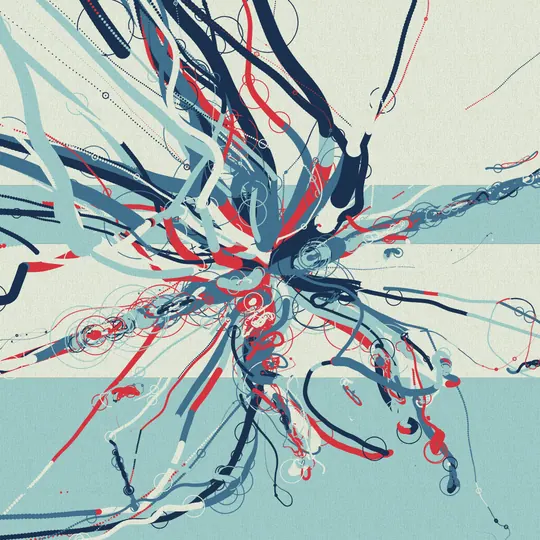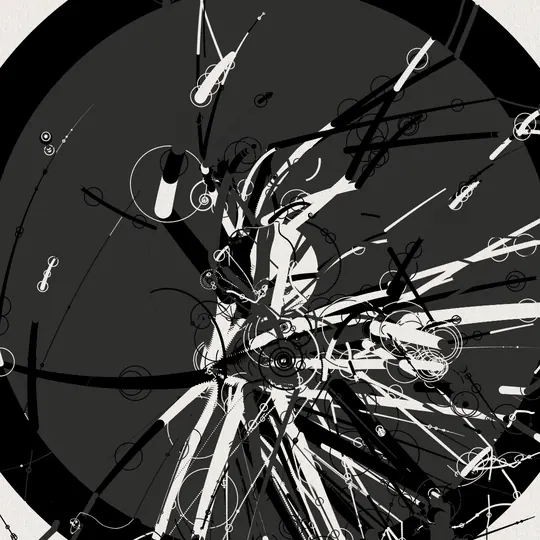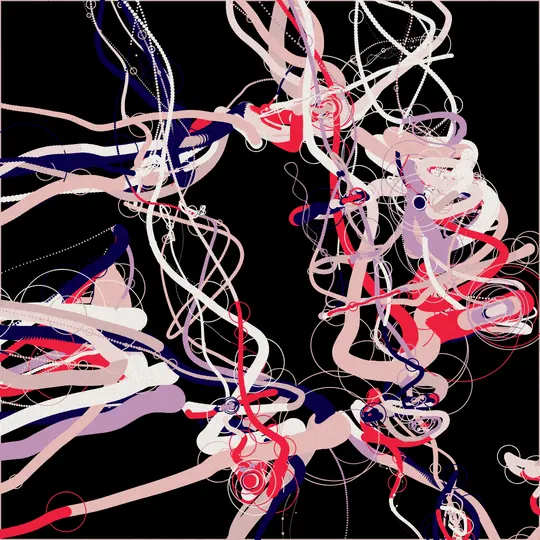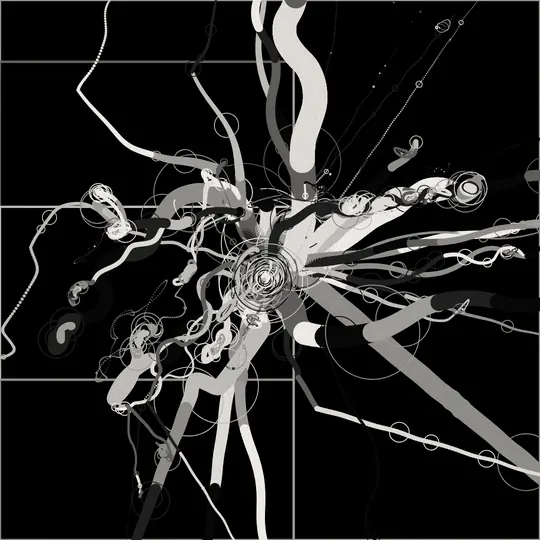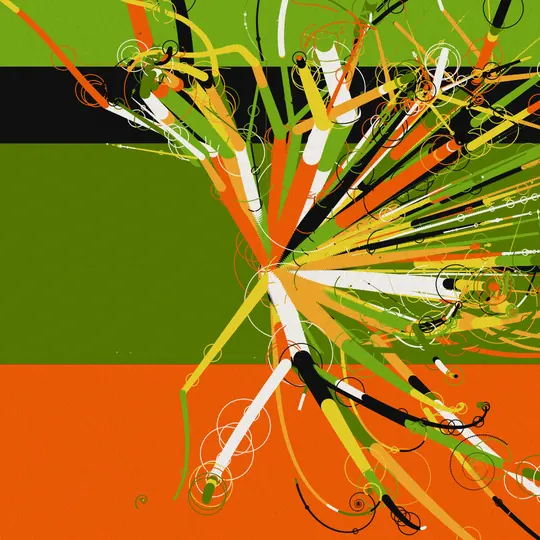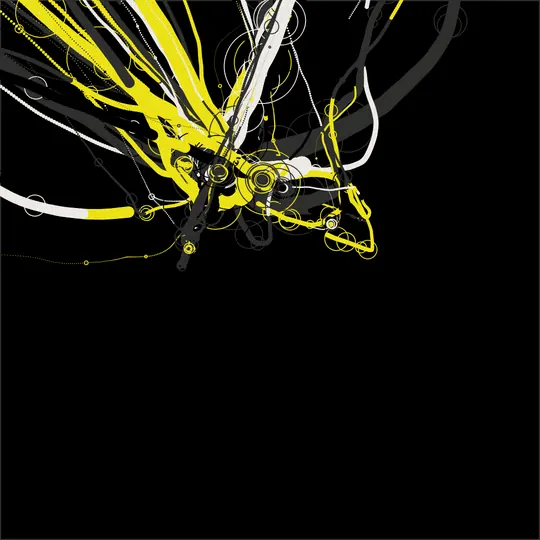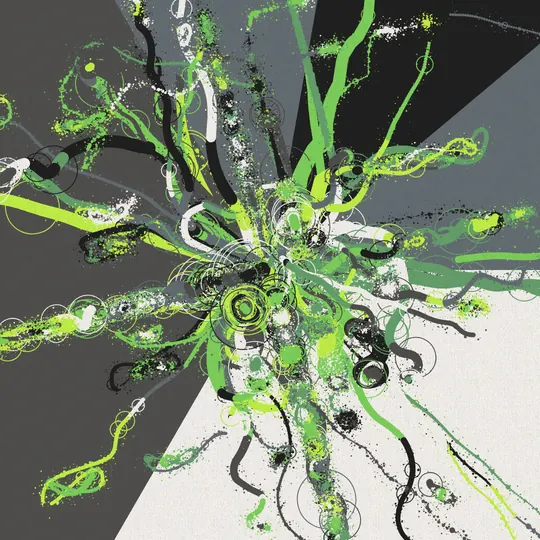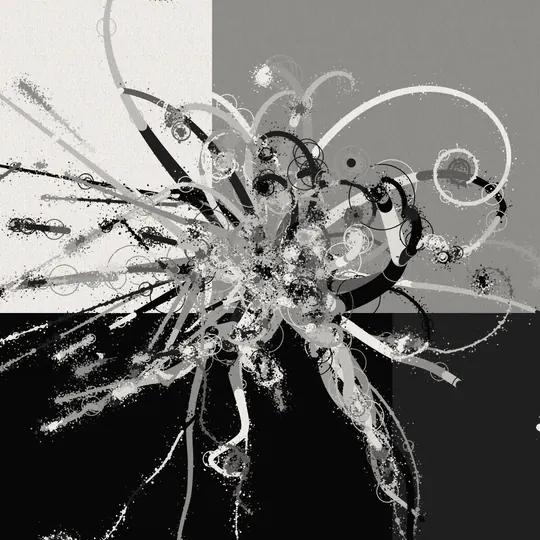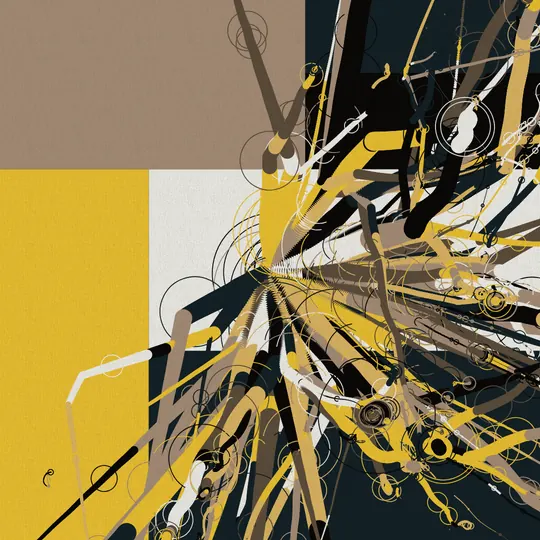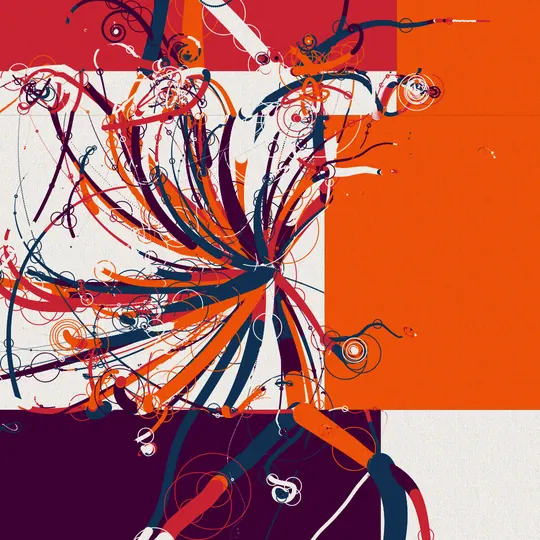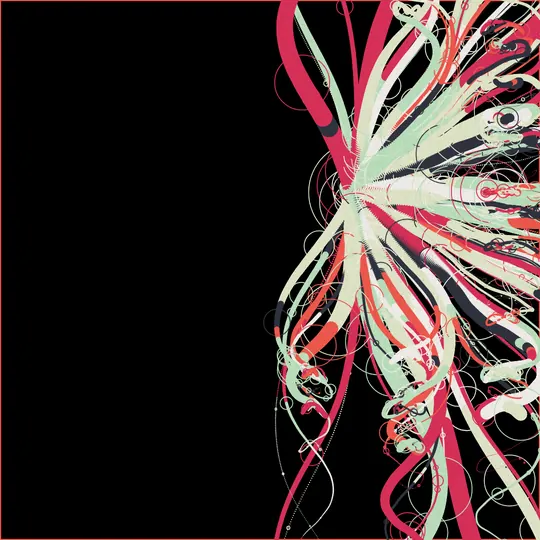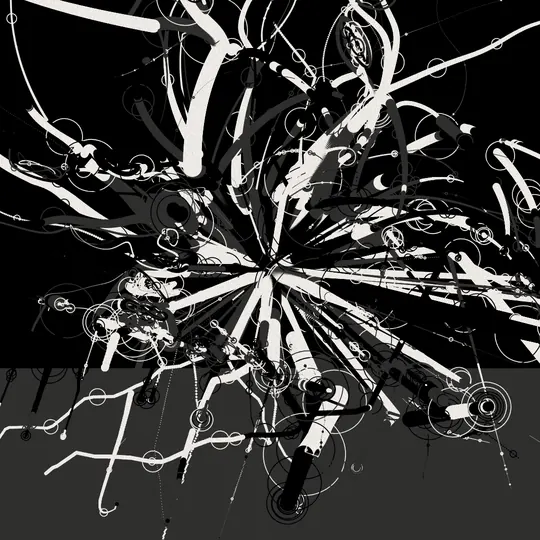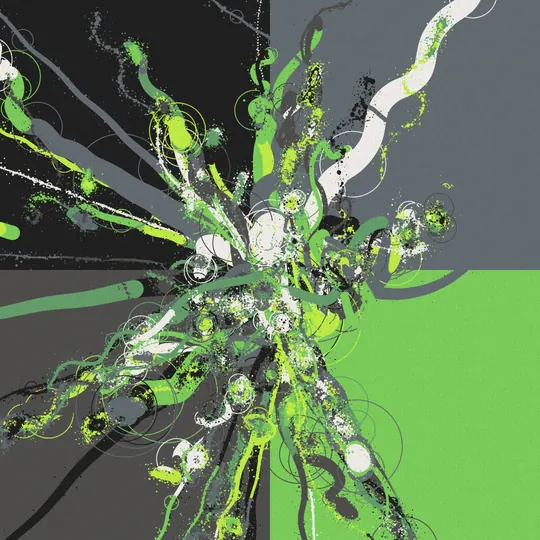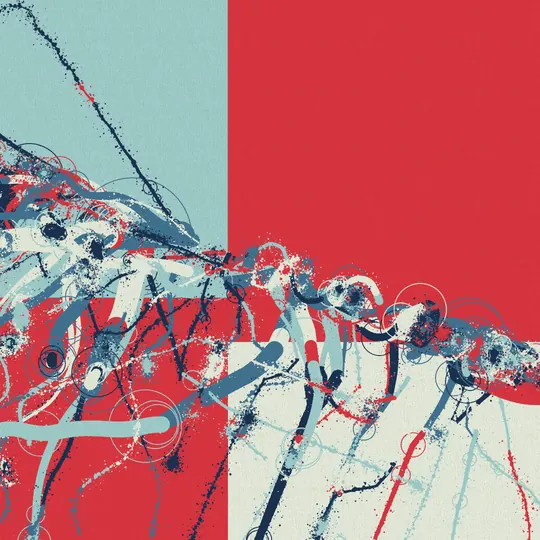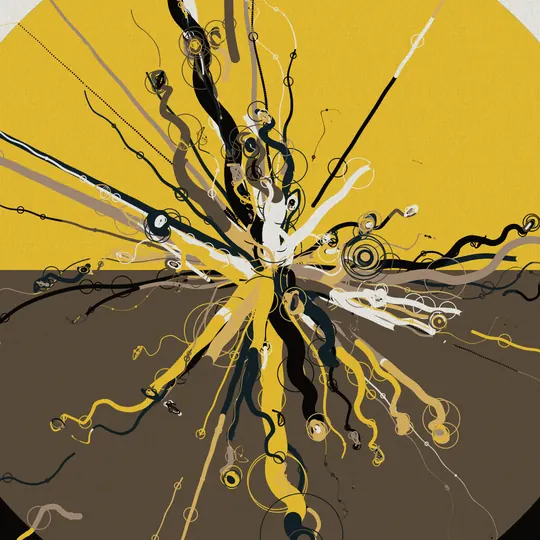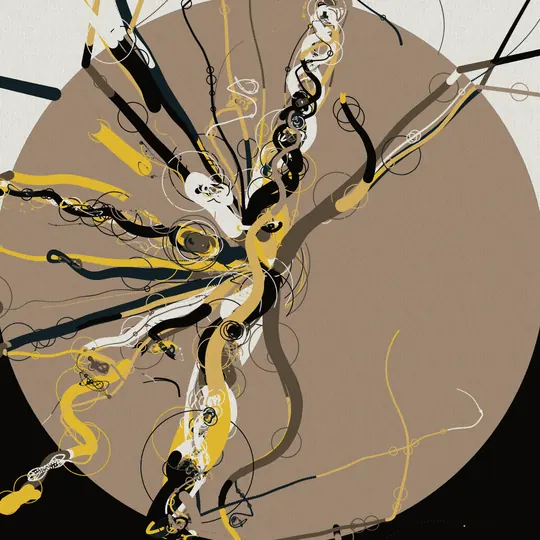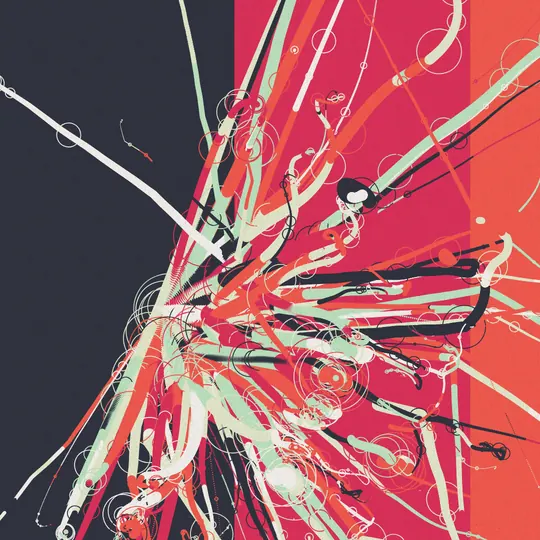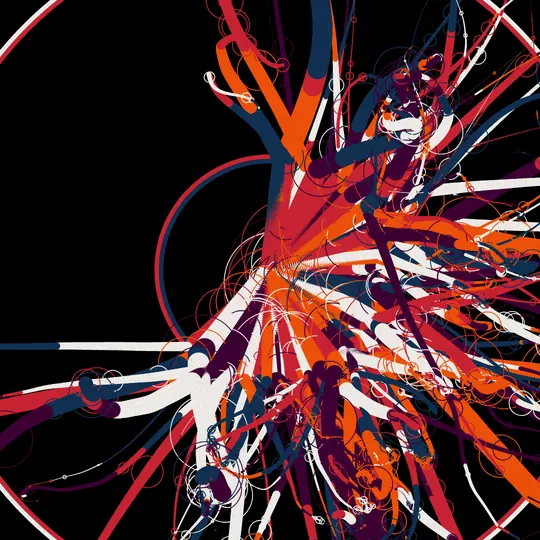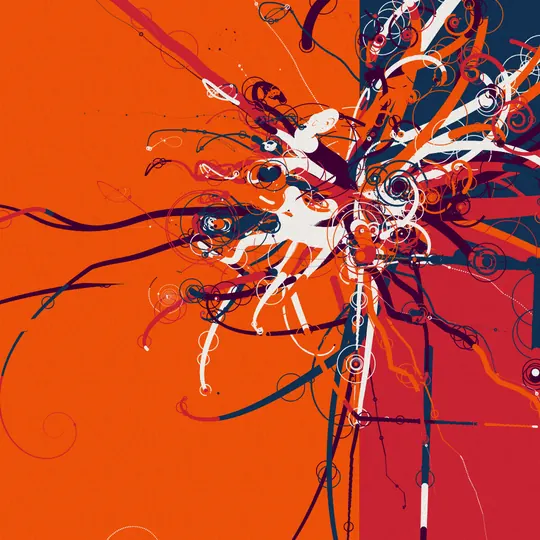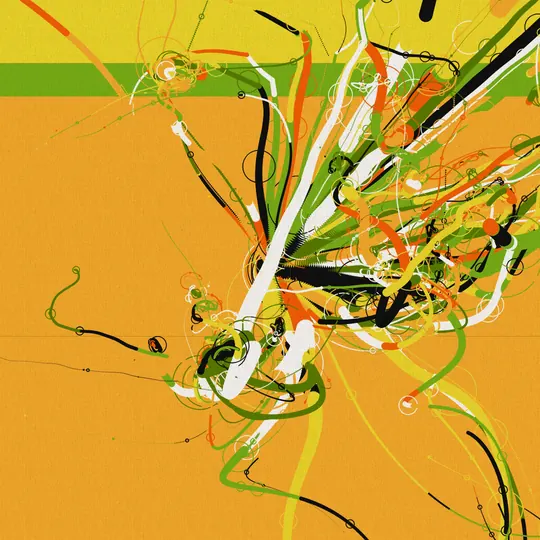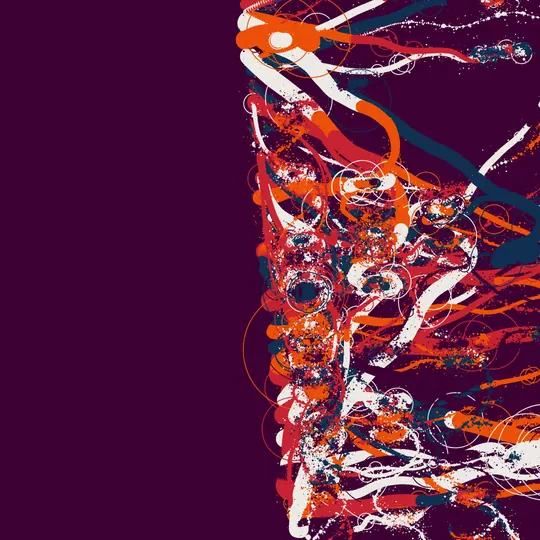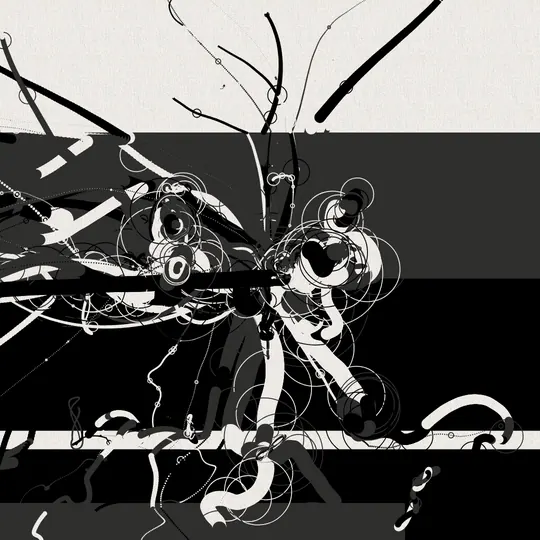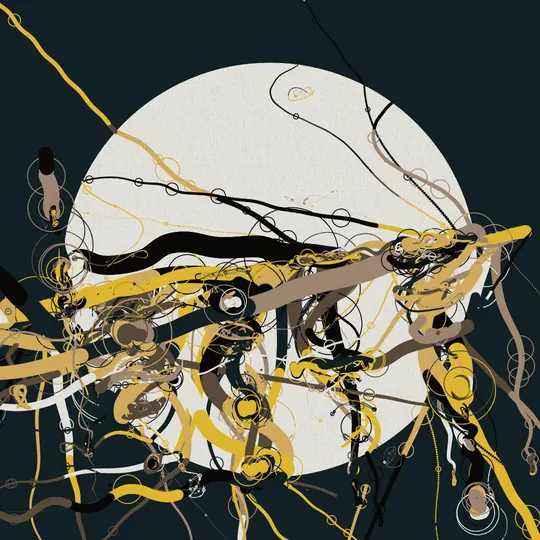
"Electriz" is a series of works that use digital cloud chambers to observe the traces of unidentified particles. When doing art creation, just like scientists discovering new particles, artists continue to draw interesting ideas from reality and fantasy to collide with each other, trying to find a unique existence at the moment of collision in the process of mixing ideas. The space in the work "Electriz" is divided into parts with different physical characteristics, which affect the movement, rotation, splitting, and annihilation of particles. It is an unpredictable experimental system with unlimited possibilities to explore the intersection of physics, mathematics, and art.


Artist

  • Project Artist: Che-Yu Wu
  • Launch Size: 910
  • Start Date/Time: December 7, 11am CT
  • Drop Mechanic: Dutch auction (3Ξ to 0.1Ξ)

Functionalities

  • Toggle Texture: T
  • Save Image: S
  • Show Hash: Spacebar

Project Concept

In physics, scientists collect debris through colliders hitting particles at high speeds, trying to find the smallest unit in the world, but such a small particle cannot be seen with the naked eye. How to detect it?
Traditionally, we use cloud chambers to make tiny particles leave tracks. When they pass through the foggy space, they will leave traces to symbolize their existence. If we want to judge the physical properties of the particles-mass, size with the strength of the electric charge, it can apply an electric or magnetic field to space. When the charged particles penetrate the electromagnetic field, they will be affected by the Lauren force and will be affected by the force perpendicular to the direction of motion, resulting in a vortex-like trajectory, leaving a picture the shape of a digital fern is similar, and its exact physical properties can be known by judging the mass of the particle and the radius of the trajectory.

Cloud chamber

When doing art creation, just like scientists discovering new particles, artists are constantly drawing interesting ideas from reality and fantasy to collide with each other, trying to find a unique existence at the moment of collision, and in the process of fusion of ideas. Each thought in the book will shape the core creative concept through a series of brushstrokes, different experimental works, color blends, and trajectories. Art is the same as physics. Through continuous proof of concept (Prototyping), we find the most the real appearance, each artist is like a parallel universe with independent laws of physics, searching for the root through creation, searching for the self who has experienced countless differences and accumulations after being born in this world, and then interpreting the artist's own imagination through observable works and perspectives.

Space division and particle movement.

Use right-angle dividing lines and angle divisions to create different worlds. In each world, there are different laws of physics: electric field, noise, positive and negative rotation particle charge, or grid force, in the particles when crossing the boundary of space, there is a certain probability that new particles will be split out. When entering the space, it will be affected by the divided space and draw different trajectories. Each space also has its own gravitational acceleration and electromagnetic field, which can produce similar external particles. Star totem braided shape.

Space Division

The space is divided into the following categories:

  • Field → Electromagnetic field, the force is determined by sin and cos according to the current position, which will produce a trajectory like a vine or a winding picture
  • Noise → Perlin Noise, will randomly determine the direction of force and movement according to the noise distribution
  • Curl → According to the magnitude/mass and polarity of the charge, a vortex-like trajectory will be produced.
  • Step → Bring the grid coordinates of the discretized particles into the cos to calculate the force and generate a dynamic extending along the separation line and the diagonal line.

Particles

Particles will be released from a point in space, giving random initial speed and direction to influence each other in space.

When particles are produced and moved, they will gradually consume their own mass and charge, change the trajectory of their movement, and observe the gradually shrinking vortex in the force of the electric field.

When the particles are split, the maximum number of splits and the generation limit of each particle prevents infinitely generated particles from occupying the screen.

There are eight combinations of colors, which are named after objects or scenes, so that the color combinations and particle trajectories can be matched into unique paintings, such as Taxi, Grass, Mint, NewsPaper to Kimono... etc.

Renders